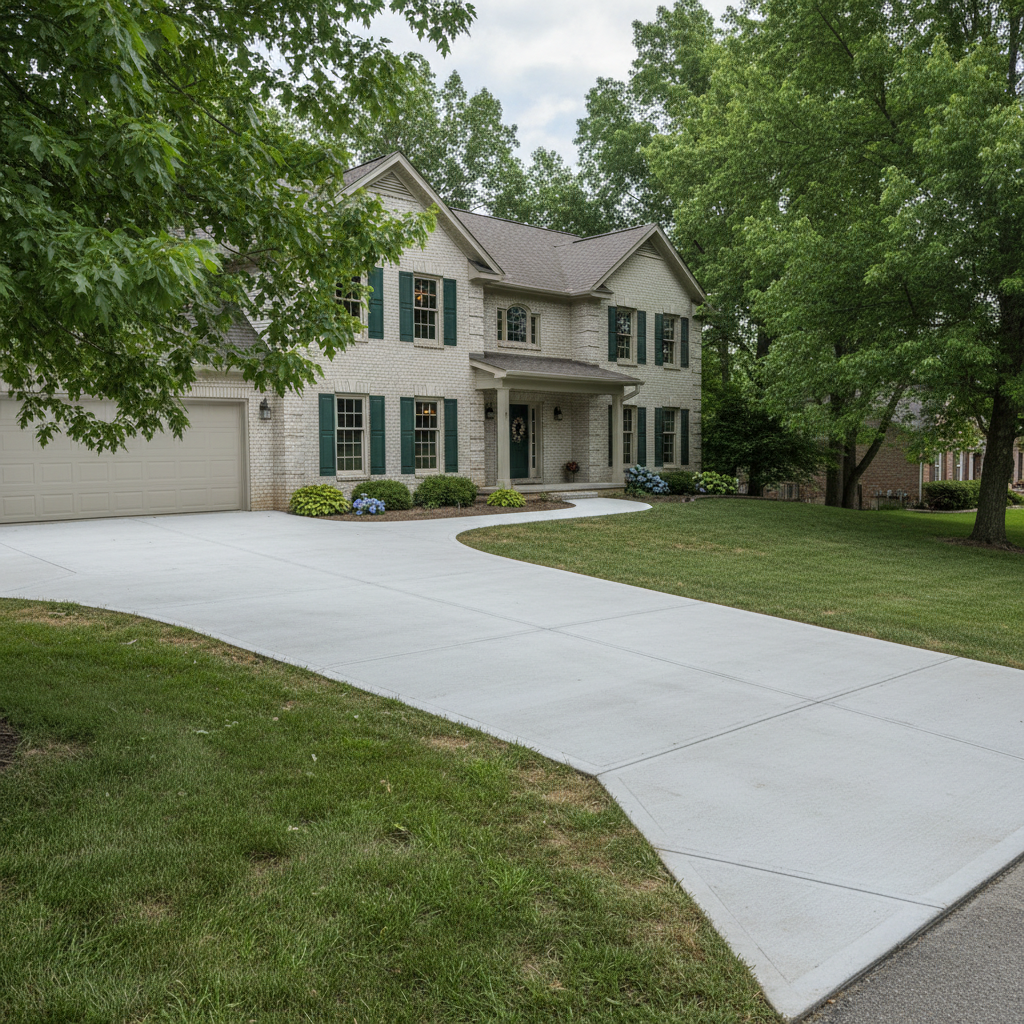
Getting Ready for Concrete Repair: What You Need to Know
You've got some concrete that needs fixing, right? Maybe it's a cracked driveway, a sunken patio, or those crumbling steps leading up to your front door. Whatever it is, you're probably wondering what goes into getting it repaired. It's not just about pouring new concrete or patching a crack; there's a whole process, and knowing what to expect can save you a lot of headaches and make sure you get exactly what you need.
I've been doing this for a while here in Aurora, and I've seen folks jump into projects without really understanding the steps involved. That's fine, it's my job to guide you, but a little preparation on your end makes everything smoother for everyone. Let's talk about the timeline, what we'll actually be doing, how you can get ready, and the important questions you should ask any contractor before you sign on the dotted line.
Understanding the Timeline for Your Concrete Repair
A big question I get is, "How long is this going to take?" And the honest answer is, it depends. It's not a one-size-fits-all deal. A small patch job on a sidewalk might be a day's work, but a full driveway replacement or a complex slab lift could stretch out over several days, maybe even a week, depending on the size and complexity.
- Initial Contact & Estimate: This is usually pretty quick. You call us, we set up a time to come out and look at your project. We'll give you a detailed estimate, usually within a few days of that visit.
- Scheduling: Once you approve the estimate, we get you on the schedule. This is where things can vary a lot. Depending on the time of year – spring and fall are usually busier – and our current workload, it might be a week or two, or sometimes a month or more, before we can start. Good contractors are usually booked out a bit, so plan accordingly.
- The Work Itself: As I said, this could be a day, or it could be several. We'll give you a clear idea of the expected duration when we give you the estimate. We also factor in things like cure times for new concrete or patching materials. You can't drive on fresh concrete right away, for example, and we'll tell you exactly how long you need to wait.
- Follow-up & Final Inspection: After the work is done, we'll do a final walk-through with you to make sure everything is to your satisfaction.
One thing to keep in mind, especially around here in southwest Missouri, is the weather. Rain, extreme cold, or scorching heat can all impact our ability to work safely and ensure a quality job. We might have to adjust the schedule if Mother Nature decides to throw us a curveball, but we'll always communicate that with you right away.
What to Expect During the Concrete Repair Process
So, we've got a date on the calendar. What happens when we show up?
First off, we'll confirm the scope of work one more time. We want to make sure we're all on the same page. Then, depending on the job, it usually involves a few key stages:
- Preparation: This is crucial. For a repair, it might mean cleaning the area thoroughly, removing loose debris, or cutting out damaged sections. If we're lifting a sunken slab, we'll be drilling small holes for the injection material. For a replacement, it's all about demolition and proper sub-base preparation. We'll make sure the ground underneath is stable and properly graded, especially important with our clay soils around Aurora that can shift a lot.
- The Repair Itself: This is where the magic happens. We'll apply the patching compounds, inject the lifting foam, pour new concrete, or resurface the existing slab. We use quality materials and proven techniques to ensure a lasting repair.
- Finishing & Curing: For new concrete or resurfacing, we'll finish the surface to your desired texture – whether that's a smooth trowel finish, a broom finish for traction, or something decorative. Then comes the waiting game. Concrete needs time to cure properly to reach its full strength. We'll give you specific instructions on how long to stay off it and any care tips.
- Cleanup: We pride ourselves on leaving your property as clean as we found it, or cleaner. We'll haul away debris and make sure the work area is tidy.
How You Can Prepare for Our Arrival
There are a few things you can do before we show up that really help us get to work efficiently and keep your property safe:
- Clear the Area: Move any cars, outdoor furniture, planters, toys, or anything else that's near the work zone. We need clear access to the concrete we're working on and enough space to move our equipment.
- Mark Sprinkler Heads/Underground Utilities: If you have an irrigation system, please mark the sprinkler heads near the work area. Same goes for any invisible dog fences or other shallow buried lines you know about. While we do call 811 before digging, knowing about these specific items helps prevent accidental damage.
- Keep Kids & Pets Away: Construction sites aren't playgrounds. For everyone's safety, please make sure children and pets are kept well away from the work area during our visit.
- Discuss Access: Let us know if there are any specific gates we need to use or if we need to be mindful of certain plants or landscaping.
- Be Available: It's helpful if you're home, or at least reachable by phone, during the project in case we have any questions or need to clarify something.
Questions to Ask Before You Sign That Contract
Before you commit to any contractor, whether it's Aim High Concrete Solutions or someone else, you need to ask some pointed questions. This isn't just about price; it's about peace of mind and ensuring a quality job.
- Are you licensed and insured? This is non-negotiable. You want to make sure they have general liability insurance and workers' compensation. If something goes wrong, you don't want to be on the hook.
- Can you provide references? A good contractor will happily give you names and numbers of past clients.
- What's included in the estimate? Make sure the estimate is detailed. Does it include material costs, labor, disposal fees, and any necessary permits? Are there any potential hidden costs?
- What kind of materials do you use? Ask about the quality of the concrete mix, patching materials, or lifting foam. Are they suitable for our climate and soil conditions?
- What's your warranty? A reputable contractor will stand behind their work. Understand what's covered and for how long.
- How do you handle unexpected issues? Sometimes we uncover things once we start digging or working. How will they communicate these issues and what's the process for approving additional work?
- What's the payment schedule? Most contractors require a deposit, then progress payments, and a final payment upon completion. Understand the terms upfront.
- Who will be doing the work? Will it be their own crew, or will they subcontract it out? If it's a subcontractor, are they also licensed and insured?
Taking the time to ask these questions and understand the process will help you pick the right team for your concrete repair project and ensure you get a durable, good-looking result. We're always happy to answer any of these questions, and more, when you call Aim High Concrete Solutions for an estimate.