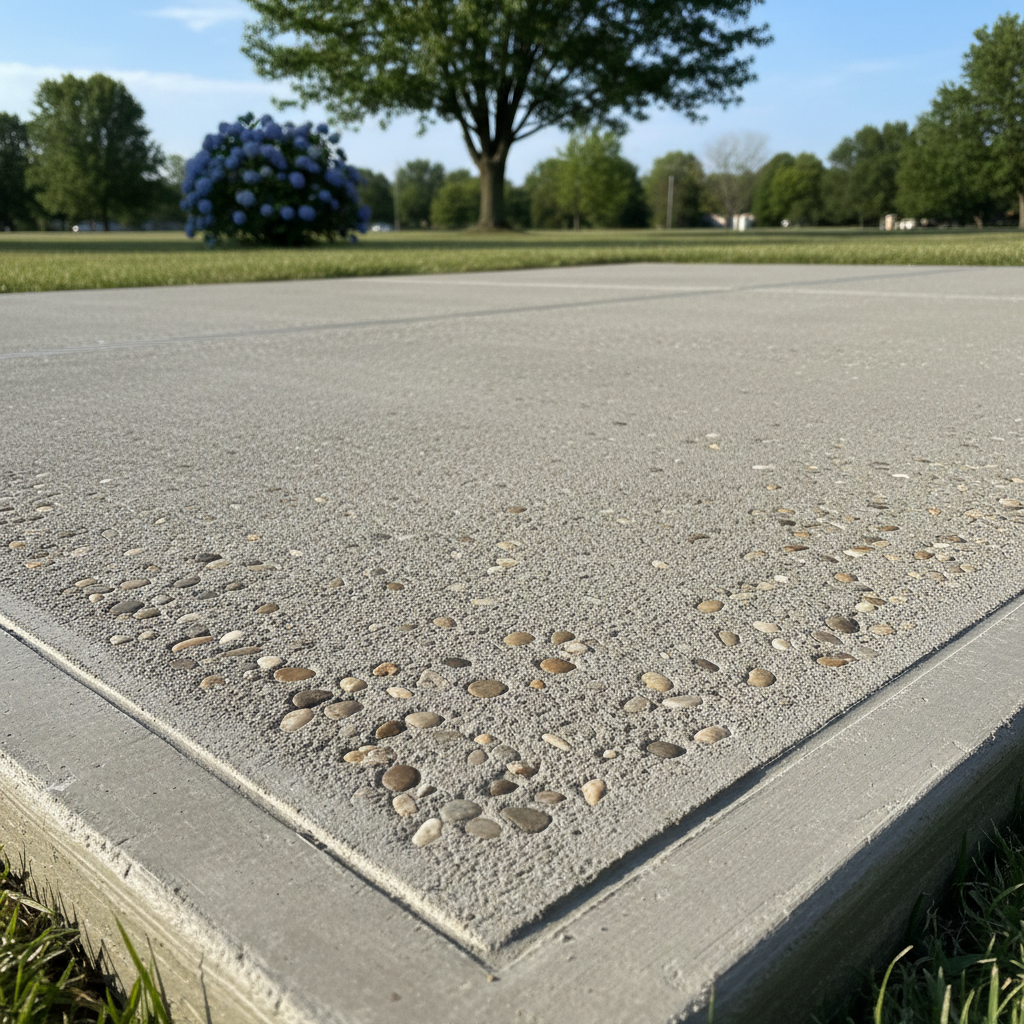
So, you're thinking about a concrete patio for your place here in Aurora, huh? Good idea. They're tough, versatile, and can really transform your backyard. Over the years, I've heard pretty much every question under the sun about them. Instead of just giving you marketing fluff, I'm gonna lay out the real deal, based on what I've seen working on homes right here in our community.
How long does a concrete patio actually last?
This is a big one, and the honest answer is: it depends. A properly installed concrete patio, done right from the start with good sub-base prep, quality concrete mix, and proper curing, should easily last 20 to 30 years, sometimes even more. I've seen patios around town, especially in some of the older neighborhoods like the ones off Highway 39, that are still going strong after 40 years. But if the ground wasn't prepped right, or they skimped on the concrete strength, you might start seeing issues a lot sooner. It's all about that foundation and the quality of the pour.
What's the deal with cracking? Is it inevitable?
Look, concrete cracks. It's a fact of life. Anyone who tells you otherwise is selling you something. Concrete expands and contracts with temperature changes, and here in Aurora, we get some pretty wild swings from hot summers to freezing winters. The goal isn't to prevent all cracks, it's to control where they happen. That's what control joints are for – those saw cuts or grooves you see. They give the concrete a designated spot to crack, usually along a straight line where it's less noticeable and less damaging. If you've got a good contractor, they'll plan those joints carefully. Hairline cracks? Totally normal. Big, wide, uneven cracks? That's usually a sign of a deeper issue with the sub-base or an improperly designed slab.
Can I put a concrete patio over an existing one?
Generally, no, and I'll tell you why. If the old patio is already cracked, uneven, or sinking, putting new concrete on top isn't going to fix those underlying problems. It's just going to transfer them to the new slab, and you'll end up with the same issues, just higher up. Plus, you'll raise the grade, which can cause drainage problems against your house. It's almost always better to remove the old patio, address any sub-base issues, and pour a fresh slab. It's more work upfront, but it saves you headaches and money down the road.
What kind of maintenance does a concrete patio need?
Concrete patios are pretty low maintenance, which is one of their big selling points. The main thing you should do is keep it clean. A good sweep to get rid of leaves and dirt, and then a hose down with some mild detergent if it's really grimy. For tougher stains, you can use a pressure washer, but be careful not to hold it too close or use too high a setting, especially on decorative concrete, or you could damage the surface. Sealing is also important. I recommend sealing your patio every 2-3 years, especially if it's exposed to a lot of sun, rain, or foot traffic. It helps protect it from stains, moisture, and general wear and tear. Aim High Concrete Solutions can help you with that if you're not comfortable doing it yourself.
How long until I can use my new concrete patio?
You can usually walk on it within 24-48 hours, but it's best to wait a bit longer for heavy furniture or a party. Concrete takes about 28 days to reach its full design strength. While it's pretty solid after a few days, it's still curing and getting stronger. So, light foot traffic after a couple of days, but give it a week or so before you're dragging heavy grills or setting up a full outdoor dining set. And keep vehicles off it for at least a month, if not longer.
What's the deal with drainage? How do you make sure water doesn't pool?
Drainage is critical, especially around here where we get some serious thunderstorms. A good patio isn't perfectly flat; it's designed with a slight slope, usually about 1/8 to 1/4 inch per foot, to direct water away from your house and other structures. We call it 'positive drainage.' If the patio is flat or slopes towards your foundation, you're going to have problems with standing water, which can lead to foundation issues or just a perpetually wet patio. We always assess the existing grade and plan the slope carefully to make sure water goes where it's supposed to go.
How much does a concrete patio cost?
This is the million-dollar question, and there's no single answer without knowing the specifics. It depends on the size, the thickness, the complexity of the shape, whether you want plain gray concrete or something decorative like stamped or stained concrete, and the accessibility of the site. Digging out an old patio or dealing with a tricky slope will add to the cost. What I can tell you is that you usually get what you pay for. Don't just go with the cheapest bid; make sure you're comparing apples to apples in terms of materials, prep work, and experience. Get a few quotes, ask for references, and make sure they're a reputable local business. It's an investment in your home, so you want it done right.