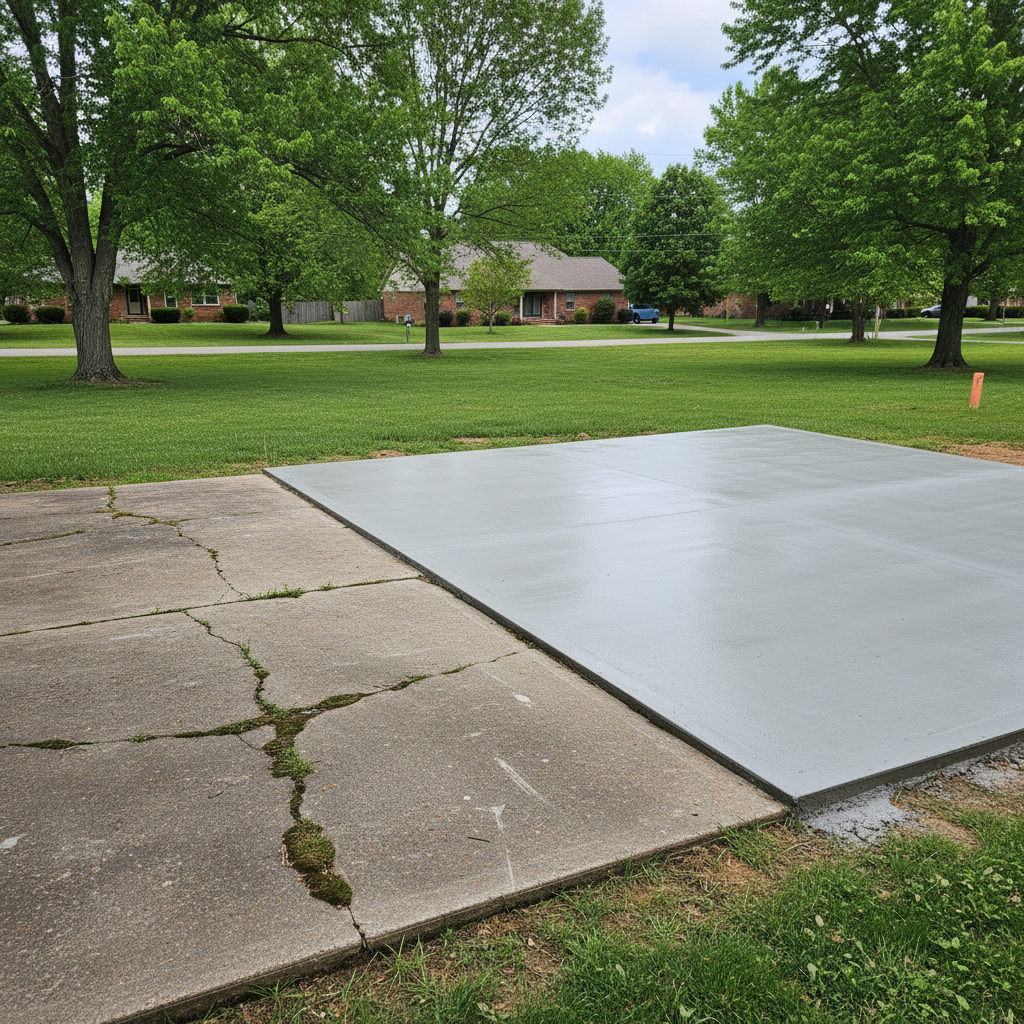
Alright, let's talk foundations. If you're building a new home or putting an addition on your place here in Aurora, you've probably heard the terms 'slab foundation' and 'crawl space foundation.' People ask me all the time which one's better, and honestly, there's no one-size-fits-all answer. It really depends on what you're looking for, your budget, and what kind of ground you're building on. I've poured a lot of both over the years, and I can tell you what I've seen work best around here.
Slab Foundations: Simple and Solid
A slab foundation is pretty straightforward: it's a thick, reinforced concrete pad poured directly on the ground. The edges are usually thicker to form an integral footing, and it's all one piece. Think of it like a giant, sturdy patio that your whole house sits on.
The Good Stuff About Slabs:
- Cost: Generally, slabs are cheaper to build upfront. You don't have to dig as deep, and there's less material and labor involved compared to a crawl space. If you're on a tight budget, this can be a big plus.
- Speed: They're quicker to pour and cure, which means your build can move along faster.
- Durability: A well-poured slab, done right by folks like us at Aim High Concrete Solutions, is incredibly strong and stable. You don't have to worry about wood rot or pest infestations under your house because there's no space for them.
- Energy Efficiency: Because the slab is in direct contact with the ground, it can help regulate indoor temperatures, especially if you get it insulated properly. In the summer, it stays cooler, and in winter, it holds heat pretty well.
Where Slabs Can Be a Pain:
- Plumbing Access: This is the big one. If you have a plumbing leak under a slab, it's a major headache. You've got to break up concrete to get to the pipes. It's not impossible, but it's messy and expensive.
- Flooding Risk: If your lot is prone to flooding, a slab can be more vulnerable since it's right on the ground. We get some serious downpours in Southwest Missouri, so proper grading and drainage around the slab are absolutely critical.
- Less Flexibility: Want to add a bathroom or move a wall that needs new plumbing later? It's a much bigger job with a slab.
Crawl Space Foundations: Room to Breathe
A crawl space foundation lifts your house off the ground, usually 18 inches to a few feet, creating a shallow space underneath. It's typically built with concrete footings and block or poured concrete walls, with the house framing sitting on top.
Why People Like Crawl Spaces:
- Easy Access: This is the main reason most people go with a crawl space. All your plumbing, electrical, and HVAC ducts are easily accessible. If you have a leak or need to run new wires, it's usually a much simpler fix.
- Flexibility for Future Work: Adding or modifying utilities down the road is much less disruptive.
- Better Air Quality: With proper ventilation and a good vapor barrier, a crawl space can help prevent moisture issues from getting into your living space.
- Elevation: It lifts your house off the ground, which can be a good thing if you're in an area with potential drainage issues or just prefer the look of a slightly elevated home.
The Downsides of Crawl Spaces:
- Higher Cost: They're generally more expensive to build than a slab because they require more excavation, concrete, block work, and often more complex framing.
- Pest Potential: That open space under your house can be an inviting home for critters like rodents, insects, and even snakes if not properly sealed and maintained.
- Moisture Issues: This is a big one here in Aurora, especially with our clay-heavy soils. If a crawl space isn't properly encapsulated and vented, it can become a damp, moldy mess. I've seen plenty of crawl spaces that are basically indoor swamps, leading to structural problems and poor indoor air quality.
- Energy Loss: If not insulated properly, a crawl space can be a major source of heat loss in the winter and heat gain in the summer, driving up your utility bills.
My Recommendation for Aurora Homeowners
Given our climate here in Aurora — hot, humid summers and cold, wet winters, often with that reactive clay soil — I usually lean towards a well-built concrete slab foundation for most residential projects.
Why? Because when done right, a slab eliminates a lot of the potential headaches we see with crawl spaces, especially moisture and pest issues. You don't have to worry about ventilating a crawl space or sealing it perfectly to keep out humidity, which can be a constant battle here. The key is making sure the slab is properly engineered, has excellent drainage around it, and that all your plumbing is installed with top-notch materials and inspected thoroughly before the pour.
Now, if you absolutely need that access for future modifications, or if your lot has specific challenges that make a slab impractical, a crawl space can work. But you've got to make sure it's done right: proper drainage, a robust vapor barrier, insulation, and good ventilation are non-negotiable. Don't skimp on those details, or you'll regret it down the line.
Ultimately, the best foundation is the one that's designed and installed correctly for your specific property and needs. If you're planning a project, give us a call at Aim High Concrete Solutions. We'd be happy to come out, take a look at your site, and talk through the best options for you.