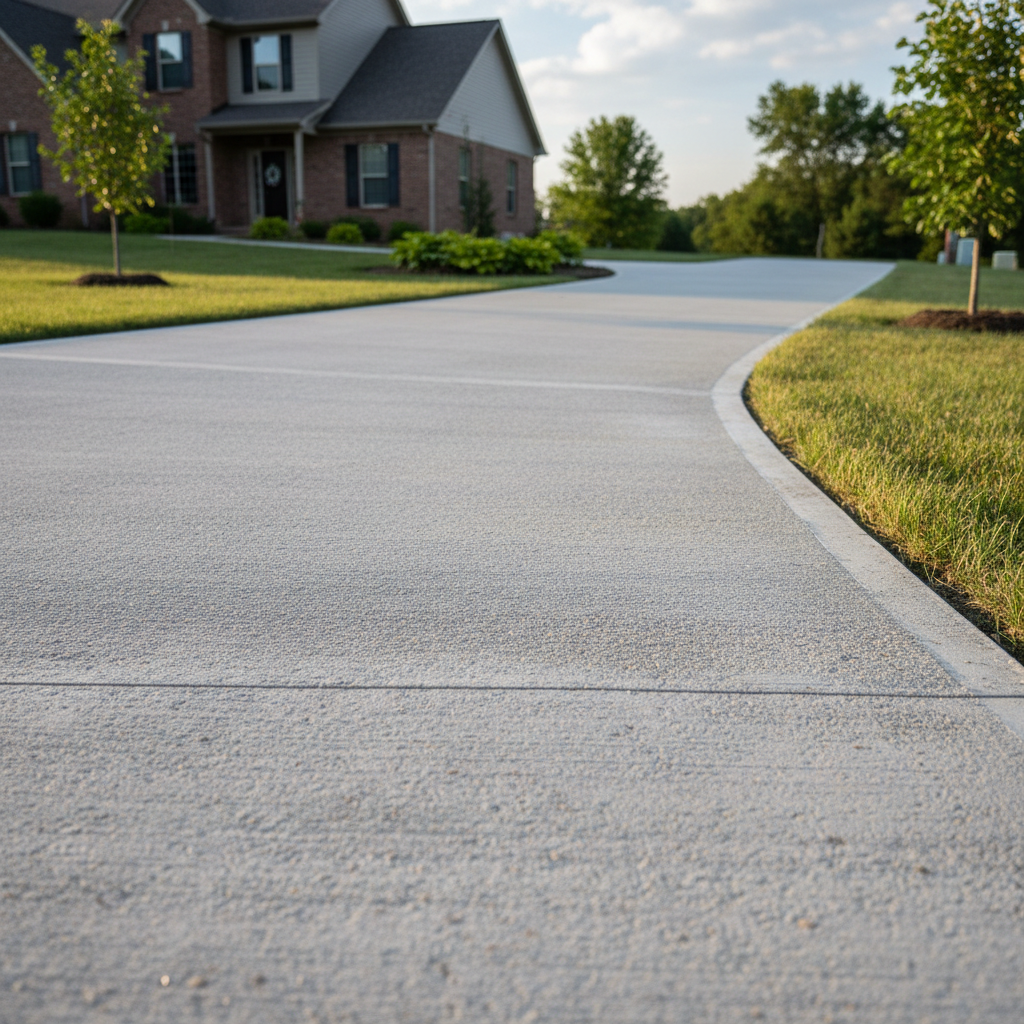
Alright, so you're thinking about putting in some new concrete around your place here in Aurora. Maybe it's a small pad for the trash cans, or a new walkway, or even a bigger patio out back. That's great! Concrete's tough, looks good, and adds real value to your home when it's done right. But before you go renting a mixer and ordering a truckload of gravel, let's get real about what you're getting into.
Before You Even Think About Mixing
First things first, planning is everything with concrete. You can't just wing it. You've got to figure out exactly what you want to pour, how big it's going to be, and what it's for. A small, non-structural pad for an AC unit? You might be able to handle that yourself. A driveway that's going to hold a couple of tons of vehicle weight every day? That's a whole different ballgame.
- Permits: Don't skip this. For most concrete work that's more than just a small repair, especially if it's structural or changes drainage, you'll need a permit from the City of Aurora. They're not trying to be difficult; they're making sure things are built safely and to code. Trust me, it's easier to get the permit upfront than to deal with tearing out new concrete later.
- Call Before You Dig: This is non-negotiable. Always, always call 811 a few days before you plan to dig. You don't want to hit a gas line, water pipe, or electrical conduit. It's not just dangerous; it's expensive.
- Drainage: Think about where the water's going to go. Concrete needs to slope away from your house, or any structure, at least a quarter-inch per foot. If you don't plan for drainage, you'll end up with puddles, or worse, water running towards your foundation, which is a big no-no, especially with the clay soils we often have around Aurora that can expand and contract.
- The Right Tools: You'll need forms, rebar or mesh, a good sub-base, a tamper, a screed, floats, edgers, and probably a concrete mixer if you're doing anything bigger than a small bag mix. Renting these can add up fast.
DIY vs. Calling a Pro: Where's the Line?
Here's where you need to be honest with yourself. I've seen a lot of homeowners try to save a buck and end up with a mess they have to pay someone to fix anyway. It usually costs more in the long run.
You CAN probably DIY:
- A small, non-structural concrete pad (maybe 2x2 or 3x3 feet) for something like a garbage can or a small planter.
- Patching small cracks or spalling on existing concrete.
- Resurfacing a very small, well-prepared area with a thin overlay product.
These are jobs where the quantity of concrete is small, the finish isn't critical, and the structural integrity isn't a concern. You can buy bags of ready-mix concrete, mix it in a wheelbarrow, and get it done in a day.
You should probably call a PRO for:
- Any slab over, say, 50 square feet.
- Driveways, patios, sidewalks, or anything that needs to be perfectly level or sloped for drainage.
- Anything that requires rebar or specific structural reinforcement.
- Stamped or decorative concrete.
- Any job where you need to pour more concrete than you can mix and place in about an hour. Concrete waits for no one; once it starts to set, you're in trouble.
Why a pro for the bigger stuff? Because concrete is heavy, it sets fast, and it's permanent. There's no undo button. Pros have the right equipment, the crew, and the experience to get it poured, screeded, floated, and finished before it sets up. They know how to get the right slope, the right finish, and how to cure it properly. Plus, they're insured, which is a big deal if something goes wrong.
During the Pour (If You're DIYing a Small Job)
Let's say you're doing that small pad. You've got your forms set, your base compacted, and you're ready to mix. Keep these in mind:
- Mix it Right: Follow the instructions on the bag. Too much water makes weak concrete; too little makes it hard to work with. Aim for a consistency like thick oatmeal.
- Work Fast: Once it's mixed, get it into the forms. Don't dally.
- Screed and Float: Use a straight board to level the concrete (screeding). Then use a float to bring the cream to the surface and smooth it out.
- Edge and Groove: Use an edger around the perimeter and a groover to create control joints. These joints help control where cracks form, because concrete will crack. It's just a matter of where.
After the Pour: The Curing Process
This is probably the most overlooked, but most critical, step. Curing isn't just letting it dry; it's letting it gain strength. Concrete needs moisture to cure properly. If it dries out too fast, it'll be weak and crack more easily.
- Keep it Wet: For at least 5-7 days, you need to keep that concrete moist. You can spray it with water, cover it with plastic sheeting, or use a curing compound.
- Protect it: Keep foot traffic off it for at least 24-48 hours, and vehicles off it for at least 7 days, preferably longer for heavy loads.
- Watch the Weather: Extreme heat or cold can mess with curing. In Aurora, we get those hot summer days and freezing winter nights. If it's too hot, it'll dry too fast. If it's too cold, it won't cure at all. Plan your pour for moderate temperatures.
Look, I'm not trying to scare you off from a DIY project. For small stuff, it can be really satisfying. But for anything significant, something you want to last for decades and look good doing it, you're better off trusting it to folks who do this every day. We've poured enough concrete around Aurora to know what works and what doesn't. If you're looking at a bigger project and you're not sure if you're up to the task, give us a call at Aim High Concrete Solutions. We're happy to talk through your options and give you an honest assessment. Sometimes, peace of mind is worth every penny.