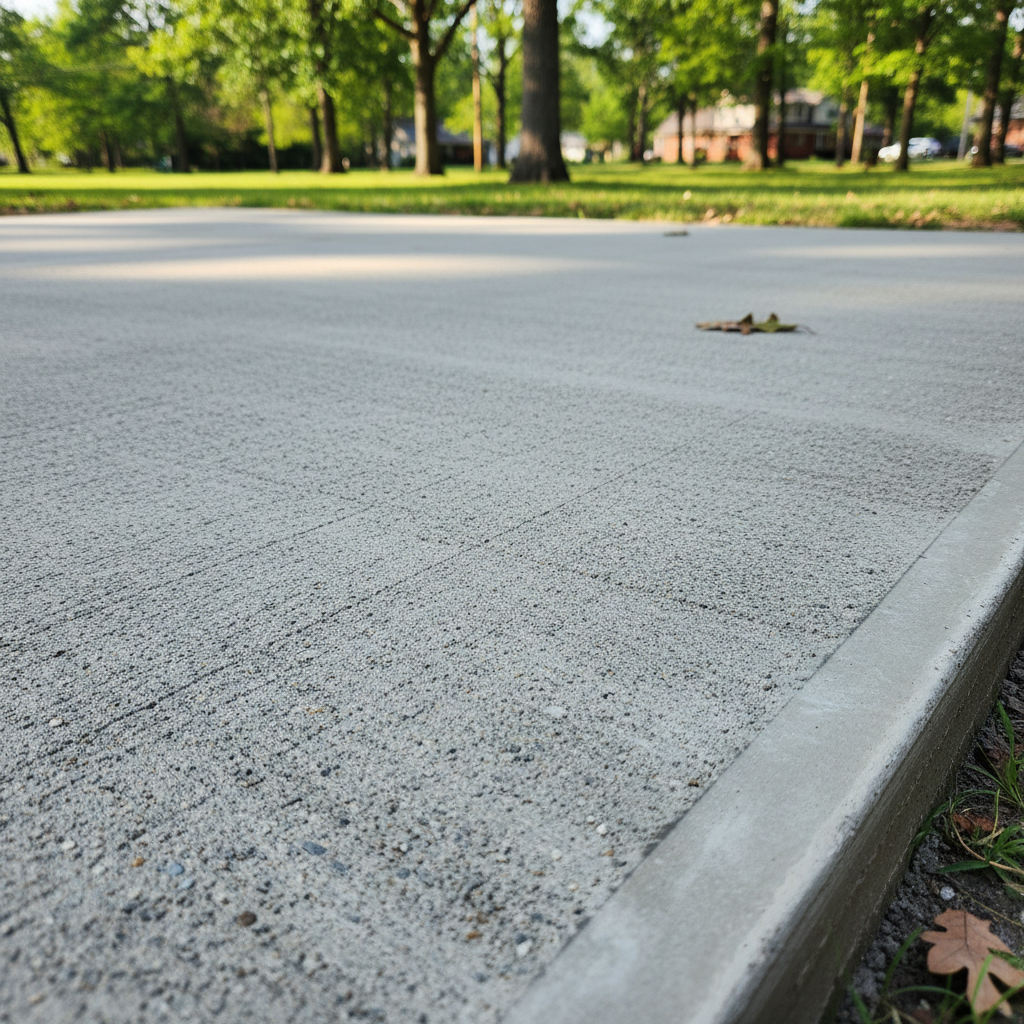
You're thinking about a new patio, a sidewalk repair, or maybe even a small shed foundation. And you're wondering, "Can I pour concrete myself?" It's a fair question. Concrete seems simple enough: mix, pour, smooth. But trust me, there's a lot more to it than that, especially if you want it to last.
I've been doing concrete work around Aurora for years, and I've seen it all – the good, the bad, and the cracked-in-six-months ugly. So let's break down what you need to know before, during, and after a concrete project, and when it's really best to just pick up the phone.
Before You Even Think About Mixing
Planning is probably the most important part of any concrete job, big or small. Skip this, and you're asking for trouble.
- What's it for? A small, non-structural slab for, say, an AC unit? Maybe. A driveway that's going to hold up your truck for decades? Probably not a DIY job. The purpose dictates the thickness, reinforcement, and type of concrete you need.
- Check the ground. Here in Aurora, we've got some interesting soil conditions. Sometimes it's solid clay, sometimes it's more loamy. You need a stable, well-drained base. If your ground is soft or constantly wet, you'll need to dig deeper, add gravel, and compact it like crazy. If you don't, that concrete is going to sink and crack, guaranteed.
- Call Before You Dig! This isn't just a suggestion; it's the law. Dial 811 a few days before you plan to break ground. You don't want to hit a gas line or an electrical conduit. Trust me, that's a headache you don't need.
- Permits? For small, non-structural stuff like a stepping stone path, probably not. But for anything attached to your house, or a new driveway, you'll likely need to check with the city of Aurora's planning department. Don't skip this. Fines are no fun.
- Tools. You'll need a shovel, a rake, a tamper, a level, a wheelbarrow, forms (lumber or metal), and a trowel. For anything bigger than a small patch, you'll want a concrete mixer. Renting one is an option, but they're heavy and a pain to clean.
During the Pour: Where DIY Gets Tricky
Okay, you've prepped, you've got your forms set, and you're ready to mix. This is where things can go south fast.
- Mixing. If you're mixing bags of concrete, follow the instructions precisely. Too much water makes weak concrete; too little makes it impossible to work with. Consistency is key. If you're getting a truck delivery, you've got a limited window. Concrete starts to set quickly, especially on a hot Missouri summer day.
- Pouring and Spreading. Get it into the forms evenly. Use a shovel or rake. Don't just dump it all in one spot and hope it spreads.
- Screeding. This is leveling the concrete. You'll need a straight edge (a 2x4 works) and someone to help you if it's a wider slab. You pull the straight edge across the top of the forms, removing excess concrete. This needs to be done quickly and accurately.
- Floating. After screeding, you use a bull float or hand float to bring the "cream" to the surface and smooth out any imperfections. This is where you start to get that nice, even finish.
- Edging and Grooving. For anything exposed, you'll want to use an edger to round off the edges, which helps prevent chipping. Control joints (grooves) are essential for larger slabs. They don't prevent cracking, but they encourage the concrete to crack in a straight, controlled line where you want it to, not randomly across your new patio. This is a critical step many DIYers miss.
Honestly, for anything more than a small, cosmetic patch, doing all of this yourself is a huge amount of work, and the margin for error is tiny. One mistake with the mix or the timing, and you've got a permanent problem.
After the Pour: The Curing Process
You're not done when the concrete is smooth! Curing is just as important as the pour itself.
- Keep it Wet. Concrete doesn't dry; it cures. This is a chemical reaction that needs water. For at least the first week, and ideally longer, you need to keep that concrete damp. Cover it with plastic sheeting, burlap, or use a curing compound. If it dries out too fast, it'll be weak and crack. This is especially true when we get those hot, dry spells here in the Ozarks.
- Stay Off It. Don't walk on it for at least 24-48 hours, and don't drive on it for at least a week, preferably longer for a full cure, depending on the mix. Patience is a virtue here.
When to Call a Pro (Like Aim High Concrete Solutions)
Look, I'm all for homeowners tackling projects they can handle. But concrete is one of those things where a small mistake can lead to big, expensive problems down the road. Here's when you should definitely call us:
- Anything structural: Foundations, retaining walls, heavily trafficked driveways.
- Large areas: Pouring a big patio or driveway is a race against the clock. You need a crew, not just one or two people.
- Complex designs: Stamped concrete, decorative finishes, intricate curves. These require specialized tools and expertise.
- You want it to last: A professional job means proper sub-base prep, correct mix, proper reinforcement, and expert finishing. We know how to deal with Aurora's specific conditions to make sure your concrete stands the test of time.
- You don't want the headache: It's heavy, messy, and time-sensitive work. Let us handle the heavy lifting and the stress.
For small, non-critical repairs or a tiny slab, sure, give it a shot. But for anything important, or if you just want it done right the first time without the backache and the worry, give Aim High Concrete Solutions a call. We're here to help you get solid results that last.