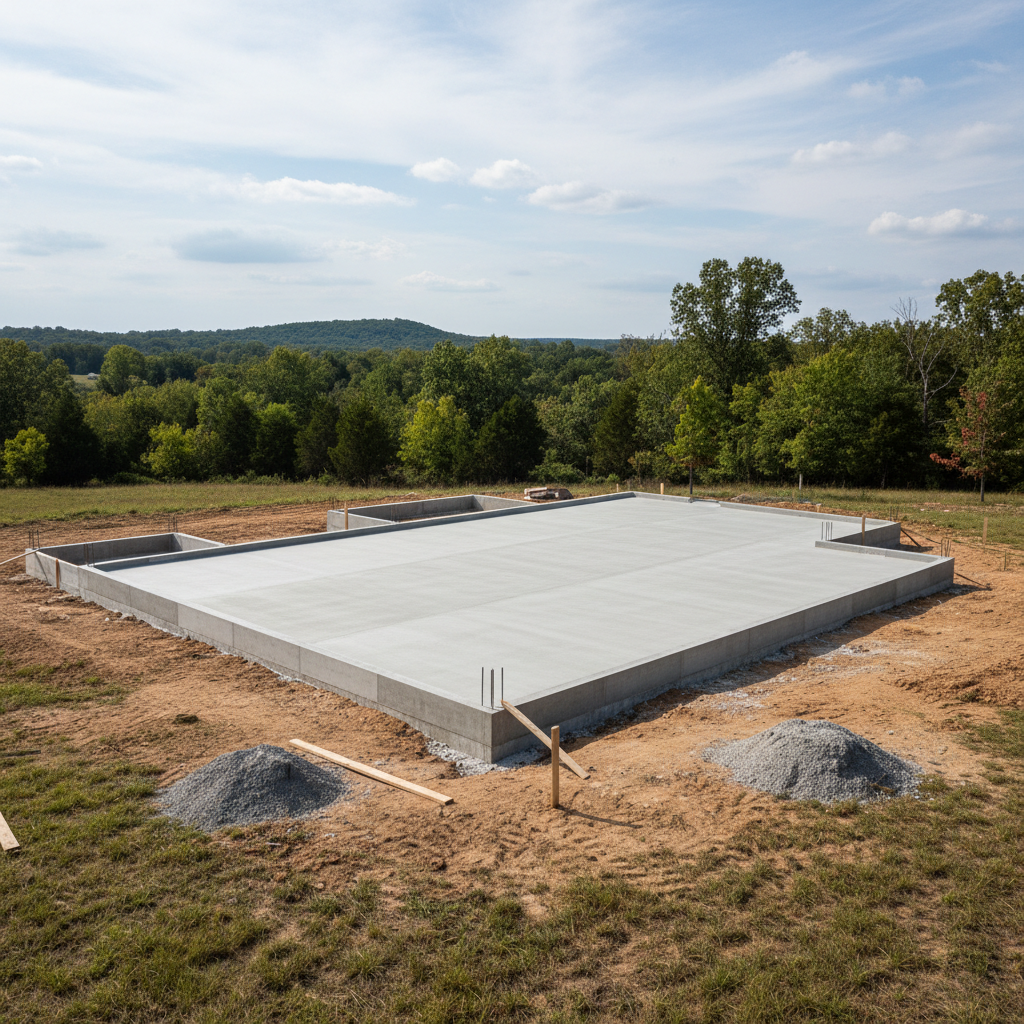
Thinking about putting in a new concrete foundation for an addition, a new garage, or even a whole new house here in Aurora? That's a big project, and you want to get it right. A good foundation isn't just concrete; it's the bedrock of your whole structure. You don't want to cut corners here, and you definitely want to know what you're getting into. Let's break down what you need to know to plan your project right.
Understanding Your Foundation Project Timeline
How long does a concrete foundation project take? It's not an overnight job, that's for sure. From your first call to the final pour, you're looking at a few weeks, sometimes even a couple of months, depending on the scale and complexity. Here's a general breakdown:
- Initial Consultation & Quote (1-2 weeks): This is where you talk to contractors, get bids, and iron out the details. Good contractors are busy, so getting on their schedule takes a little time.
- Permits & Approvals (2-6 weeks): This is often the longest part, and it's mostly out of anyone's hands. You'll need permits from the city of Aurora, and possibly engineering plans depending on the size and type of foundation. Don't skip this; it'll save you headaches later.
- Scheduling & Site Prep (1-2 weeks): Once permits are in hand, your contractor will schedule the work. Site prep involves clearing the area, excavation, and getting the ground ready.
- Formwork & Rebar (3-7 days): This is where the magic starts to happen. They'll build the forms that hold the concrete and lay down the rebar for strength.
- The Pour (1 day): This is the big day! It's usually quick, but it's critical.
- Curing (7-28 days): After the pour, the concrete needs time to gain strength. You can't rush this. While the crew might be off to another job, your foundation is still working hard.
Remember, weather plays a huge role here in Southwest Missouri. A rainy spring or a cold snap in winter can push things back. Plan for some flexibility.
What to Expect During the Process
When we're working on a foundation, there's a lot going on. First off, expect some noise and disruption. We're moving dirt, running heavy equipment, and pouring concrete. It's not a quiet process.
You'll see us excavating the area to the right depth. This is crucial for stability and drainage. We'll be looking at the soil conditions; here in Aurora, we often deal with a mix of clay and rock, so sometimes we hit bedrock sooner than expected, or we might need to bring in some fill. Then comes the formwork – basically, the mold for your concrete. This has to be perfectly level and square. After that, we lay in the rebar. This steel reinforcement is what gives your foundation its tensile strength, preventing cracks from minor shifts or stress over time. Don't let anyone tell you rebar isn't important for a solid foundation.
On pour day, trucks will be coming and going. We'll be placing the concrete, vibrating it to remove air bubbles, and finishing the surface. It's a busy, focused day. After the pour, we'll make sure it's properly protected for curing. This usually means keeping it moist, especially in our hot, dry summers, to ensure it hardens correctly and reaches its maximum strength.
How to Prepare Your Property
You can do a few things to make the process smoother for everyone:
- Clear the Area: Remove anything that's in the way – old sheds, landscaping, fences, even patio furniture. The more space we have, the faster and safer the work.
- Mark Utilities: Call 811 before any digging happens. They'll mark underground utility lines so we don't hit anything important like gas, water, or electrical. This is non-negotiable.
- Access: Make sure there's clear access for trucks and equipment. If your yard is tight, let your contractor know upfront so they can plan accordingly.
- Talk to Neighbors: Give your neighbors a heads-up about the project. Let them know there will be noise and maybe some dust. A little courtesy goes a long way.
- Protect Landscaping: If there are plants or features you want to keep close to the work zone, talk to your contractor about how to protect them.
Questions to Ask Before Signing a Contract
Before you sign on the dotted line, you need to be confident in your contractor. Here are some key questions I'd want to hear if I were you: