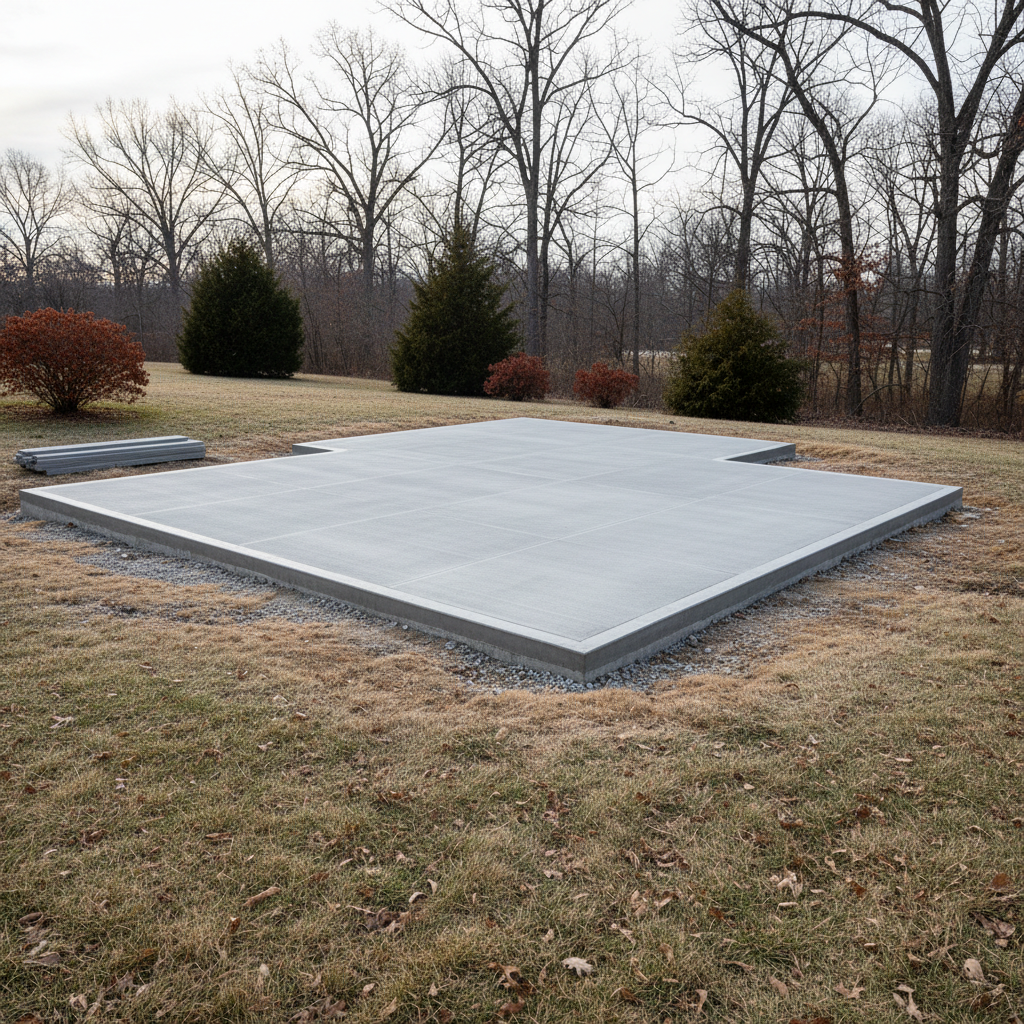
You live in Aurora, so you know our weather isn't always predictable. One day it's 70 and sunny, the next it's freezing rain. That kind of back-and-forth really puts stress on your home's concrete foundation, driveways, and patios. I've seen it firsthand for years, and understanding how our local climate impacts your concrete is key to protecting your investment.
When's the Best Time for Concrete Work Around Here?
Honestly, it's a bit of a balancing act. For pouring new concrete or doing major repairs, you want moderate temperatures. That means spring and fall are usually your best bets. When it's too hot, like those sweltering August days we get, the water in the mix evaporates too fast. That can lead to cracking and a weaker finish. If it's too cold, especially below freezing, the water freezes before the concrete cures properly, and that's a recipe for disaster.
I generally tell folks that if you're looking at a big project, aim for April to early June, or September to late October. Those months give us the best window for consistent temperatures, which helps the concrete cure slowly and strongly. We can work in other seasons, sure, but it often requires more specialized techniques, additives, and protection, which can add to the cost.
Weather Conditions That Really Matter
Beyond just temperature, a few other weather factors play a huge role in how concrete behaves:
- Rain: Freshly poured concrete and heavy rain don't mix. It can wash out the cement paste, weaken the surface, and leave you with a soft, pitted mess. If rain is in the forecast, we'll often reschedule or make sure we have robust protection in place.
- Humidity: High humidity slows down the drying process, which can be good for strength but means a longer wait before you can use the surface. Low humidity, especially with wind, can dry it out too fast, increasing the risk of shrinkage cracks.
- Wind: A strong breeze on a hot, dry day is a concrete pour's enemy. It strips moisture from the surface way too quickly, leading to what we call 'plastic shrinkage cracks.' You'll see these as fine, spiderweb-like cracks on the surface.
- Freezing and Thawing: This is a big one for us in Southwest Missouri. Our winters often involve cycles of freezing temperatures at night and thawing during the day. Water gets into tiny pores in the concrete, freezes, expands, and then thaws. Over time, this constant expansion and contraction breaks down the concrete, causing spalling (flaking) and pitting. This is especially true for concrete that wasn't properly installed or sealed.
Protecting Your Concrete Investment Year-Round
You've got good concrete, now let's keep it that way. Here's what I recommend for homeowners in Aurora:
- Seal Your Concrete: This is probably the single most important thing you can do. A good quality penetrating sealer creates a barrier that repels water and de-icing chemicals. It won't stop everything, but it'll drastically reduce the damage from freeze-thaw cycles and staining. I usually suggest sealing every 2-5 years, depending on traffic and exposure.
- Mind Your Drainage: Make sure water drains away from your foundation, not towards it. Gutters should be clear, and downspouts should extend several feet away from the house. If water pools around your foundation, it's going to find its way in, and that can lead to foundation issues. I've seen plenty of homes in the older parts of Aurora, like over by the high school, where grading issues are a common culprit for foundation stress.
- Avoid De-Icing Salts: Rock salt (sodium chloride) is terrible for concrete. It accelerates the freeze-thaw damage and can cause serious spalling. If you need to de-ice, use sand for traction or products specifically labeled as concrete-safe, like calcium chloride or magnesium chloride in moderation. Even better, shovel early and often.
- Address Cracks Early: Don't let small cracks become big problems. If you see a crack developing, especially in your foundation, get it checked out. Sometimes it's just a superficial shrinkage crack, but other times it can indicate a deeper issue. Aim High Concrete Solutions can help you figure out what's going on and if it needs repair.
- Regular Cleaning: Keep your concrete clean. Dirt, leaves, and organic matter can hold moisture against the surface, encouraging mold, mildew, and even some chemical reactions that aren't good for the concrete. A good power washing once a year can do wonders.
Your home's foundation is, well, its foundation. Taking a little time to understand how our Aurora weather impacts it and doing some preventative maintenance can save you a lot of headaches and money down the road. If you've got questions or see something that doesn't look right, don't hesitate to give us a call. We're here to help.