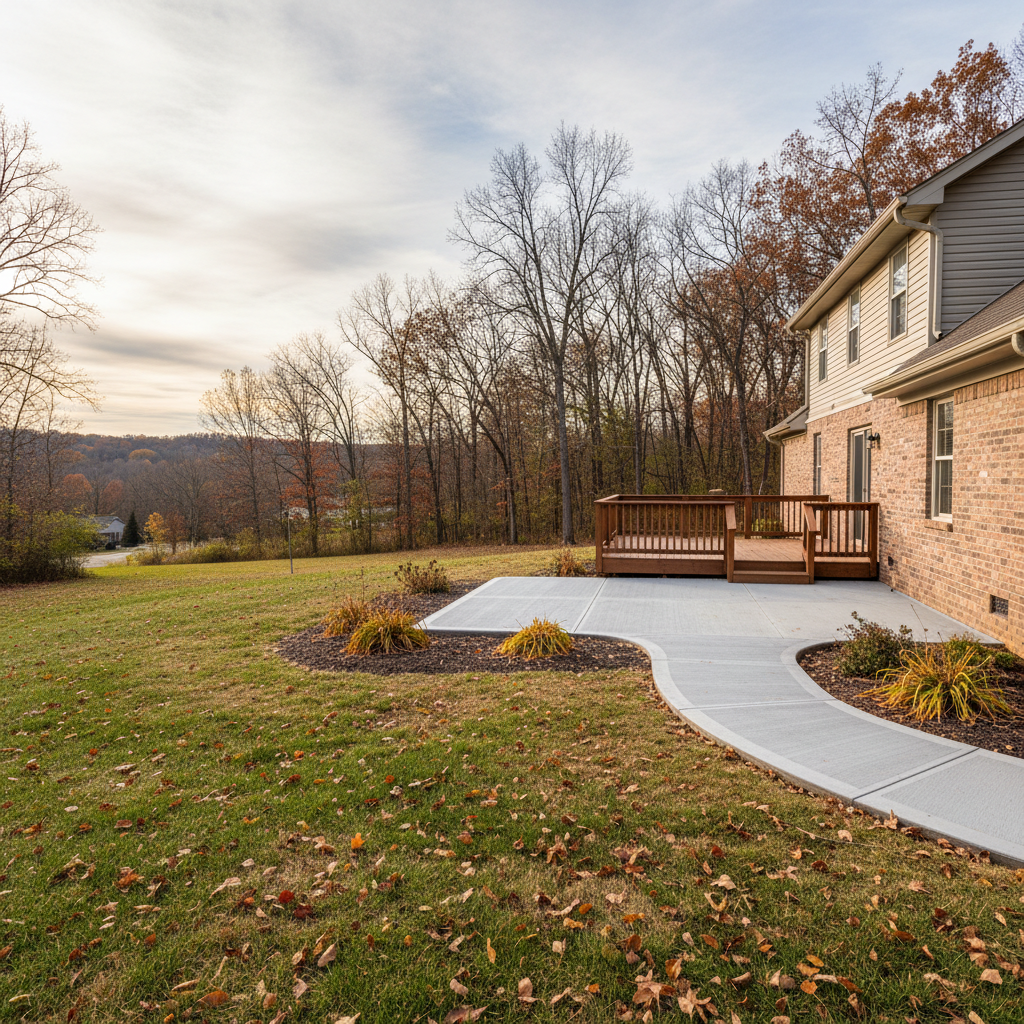
So, you've got a concrete project rattling around in your head – maybe a brand new driveway, or a nice patio out back. Naturally, you're probably wondering when the best time to actually get it done is. Around here in Aurora, MO, the weather really dictates how concrete cures and, ultimately, how long it'll last. It's not just about pouring it; it's about pouring it *right*, under the right conditions, you know?
When's the Best Time to Pour Concrete in Aurora?
Honestly, spring and fall are your absolute sweet spots. We're looking for steady temperatures, ideally somewhere between 50 and 70 degrees Fahrenheit. When it gets too hot – like those scorching July and August days we're all too familiar with – the water in the concrete evaporates way too fast. That can lead to shrinkage cracks and a weaker slab overall. It's not totally impossible to pour then, sure, but it demands a lot more careful work. We're talking about adding retarders to the mix and keeping the concrete wet after it's poured, covering it with special curing blankets or misting it constantly. All that extra effort, frankly, adds to the labor and sometimes the cost.
On the flip side, pouring when it's too cold is just as bad, maybe even worse. Below 40 degrees, concrete sets super slowly. If it freezes before it gets strong enough, you're in for some major headaches. Think spalling, scaling, and a surface that just won't hold up. We've definitely seen plenty of concrete jobs go south because someone tried to rush things in late fall or early spring when overnight temperatures dipped too low. That's why we at Aim High Concrete Solutions are pretty picky about our scheduling; we genuinely want your concrete to last a long, long time.
Weather Conditions That Really Matter
Beyond just temperature, we're always keeping an eye on a few other things:
- Rain: You simply cannot pour concrete in heavy rain. It thins out the mix, washes away the cement paste, and seriously weakens the finished product. A light drizzle? Maybe we can manage if we get it covered quickly, but generally, we need dry conditions.
- Wind: Strong winds, especially on hot days, can make the surface dry out too fast. This is another prime recipe for shrinkage cracks. We'll often set up windbreaks if it's a breezy day to protect that fresh pour.
- Humidity: Believe it or not, humidity plays a role too. Lower humidity means faster evaporation, which, you guessed it, can lead to cracking. Higher humidity helps keep the moisture in the concrete longer, which is usually a good thing for proper curing.
We're always checking the forecast multiple times a day as we get closer to a pour. Sometimes, yeah, we have to reschedule, and I know that can be a real pain. But it's always, always in your best interest. It's much better to wait a few days for perfect conditions than to end up with a concrete slab that fails way too soon.
Protecting Your Concrete Investment Year-Round
Once your concrete is in and fully cured, your job isn't quite finished. You've got to protect that investment, especially with our Missouri winters and those scorching summers.
- Sealing: This is probably the most crucial thing you can do. I usually tell folks to seal their concrete every 2-3 years, maybe even more often for areas with heavy foot traffic or if you live in an older neighborhood, like the ones near Aurora High School, where the soil can be a bit more reactive. A good sealer protects against moisture getting in, those nasty freeze-thaw cycles, and even stains. Think of it like sunscreen for your concrete.
- De-icing Salts: Be super careful with de-icing chemicals. Lots of common rock salts have chlorides that can seriously damage concrete, causing it to spall and pit. Look for de-icers specifically labeled as safe for concrete, or even better, just use sand for traction. Shoveling promptly is always your best bet.
- Cleaning: Keep your concrete clean. Dirt, leaves, and other junk can trap moisture and encourage mold or mildew growth, which can degrade the surface over time. A simple sweep and an occasional pressure wash (on a low setting, please!) will do wonders.
- Heavy Loads: Try to avoid parking extremely heavy vehicles or equipment on your residential concrete flatwork for long periods, especially if it wasn't designed for commercial-level loads.
Taking these steps seriously will really extend the life of your concrete. You'll get many more years out of your driveway, patio, or walkway, and it'll look better doing it. If you have any questions about your specific concrete project or what kind of sealer to use, just give us a call. We're always happy to share what we know, aren't we?