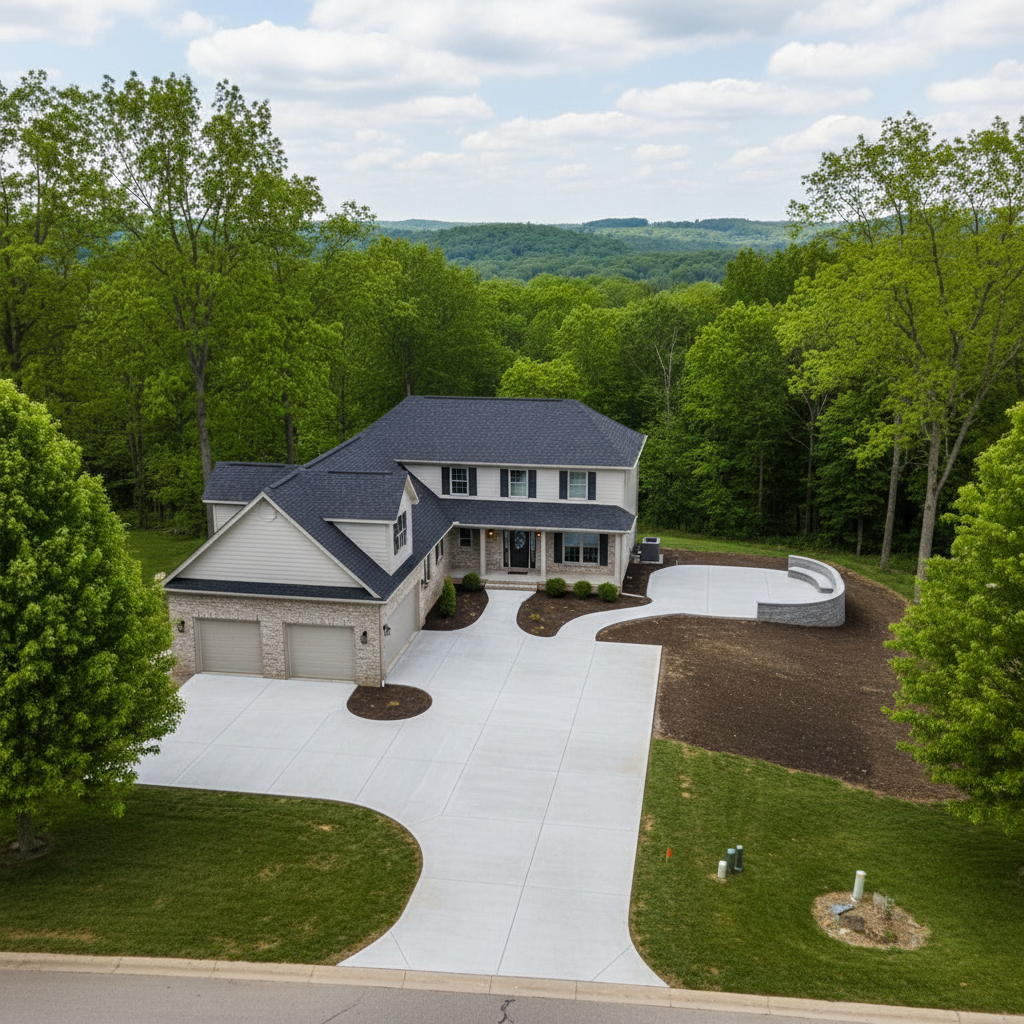
So, you're ready to tackle that concrete project you've been dreaming about. Maybe it's a new driveway, a bigger patio for entertaining, or a sturdy shed pad. That's great! But before you jump in, let's talk about getting organized. Planning ahead makes a huge difference, and it's something I see folks in Aurora often overlook. You want this to go smoothly, right? Me too.
Setting Your Project Timeline
The first thing people usually ask me is, "How long will this take?" And the honest answer is, it depends. But I can give you a good idea of the stages.
- Initial Contact & Estimate (1-2 weeks): You'll reach out to a few contractors, including us at Aim High Concrete Solutions. We'll come out, take a look, measure things up, and give you a quote. This isn't just about price; it's about making sure we're on the same page about the scope of work.
- Decision & Scheduling (2-4 weeks): Once you pick your contractor, you'll sign a contract and get on their schedule. Good contractors are usually booked out a bit, especially during prime seasons like spring and fall. Don't expect us to show up tomorrow.
- Permits (Varies, 1-4 weeks): Depending on the size and location of your project, you might need a permit from the City of Aurora. We can usually help you figure this out, or even handle it for you. This step is crucial and can't be rushed.
- Preparation & Pour (1-3 days): This is the active construction phase. We'll prep the site, lay down the base, set forms, and pour the concrete.
- Curing (7-28 days): This is the waiting game. Concrete needs time to cure properly to reach its full strength. You'll want to stay off it for at least 3-7 days for foot traffic, and usually 7-14 days for vehicle traffic. Full strength is typically reached around 28 days. Don't rush this part; it's vital for longevity.
So, from start to finish, you're probably looking at anywhere from 4 to 8 weeks, sometimes more if it's a big job or if the weather isn't cooperating. Missouri weather, especially our spring rains, can definitely throw a wrench in outdoor concrete plans.
What to Expect During the Process
Once we're on site, here's a general rundown of what you'll see:
- Site Prep: We'll remove any existing concrete, dirt, or debris. This can be noisy and dusty. We'll grade the area to ensure proper drainage away from your house. This is super important to prevent water issues down the road.
- Form Setting: We'll build forms out of wood or metal to create the exact shape and size of your new concrete. This is where the outline of your project really takes shape.
- Base Material & Reinforcement: We'll lay down a compacted base of gravel or crushed rock. This provides a stable foundation. Then, we'll add rebar or wire mesh for strength, especially in areas like driveways that will see heavy loads.
- The Pour: The concrete truck arrives! We'll pour the concrete into the forms, then level and smooth it. This is a fast-paced part of the job, and it's pretty cool to watch.
- Finishing: After the pour, we'll work the surface to achieve the desired finish – smooth, broom finish for traction, or maybe something decorative. We'll also cut control joints to help manage cracking.
- Cleanup: Once the concrete is set enough, we'll remove the forms and clean up the site, leaving it tidy.
How to Prepare Your Property
You can help make things go smoothly before we even show up:
- Clear the Area: Move any vehicles, patio furniture, grills, toys, or anything else that's in the way of the work zone.
- Mark Utilities: If you have any sprinkler heads, underground dog fences, or other buried lines in the project area, mark them clearly. We'll do our best to avoid them, but knowing exactly where they are helps a lot.
- Access: Make sure there's clear access for our equipment and the concrete truck. Sometimes we need a pretty wide path.
- Pets & Kids: Keep pets and children away from the work area for their safety and ours. Construction sites aren't playgrounds.
- Water Access: We'll need access to an outdoor water spigot.
Questions to Ask Before Signing a Contract
You've got quotes, you've met a few folks. Now, before you commit, here are some non-negotiable questions you need to ask. Don't be shy; a good contractor will appreciate you being thorough.
- What's included in the price? Make sure the quote clearly breaks down labor, materials, excavation, hauling away debris, and any finishing work. No surprises.
- Who handles permits? Clarify whether you or the contractor is responsible for obtaining any necessary permits from the city.
- What kind of base material will you use, and how thick will the concrete be? For Aurora's clay-heavy soil, a good, thick, compacted base is crucial for stability. Standard concrete thickness for driveways is usually 4-6 inches, and patios often 4 inches.
- What about reinforcement? Will you use rebar, wire mesh, or fiber mesh? This adds strength and helps prevent cracking.
- How will you ensure proper drainage? This is huge. You don't want water pooling on your new surface or running towards your foundation.
- What's your warranty? A reputable contractor will stand behind their work. Ask about their guarantee on materials and workmanship.
- What's the payment schedule? Typically, there's an upfront deposit to secure your spot and materials, with the balance due upon completion.
- Can you provide references? Talk to other homeowners they've worked for. See their finished projects if possible.
- Are you licensed and insured? This protects everyone. Don't even consider working with someone who isn't.
Asking these questions upfront will save you a lot of headaches later. It helps you pick the right contractor and ensures your project is built to last. We want you to be happy with your new concrete for years to come.